
Choosing a Tile Installer in San Francisco & the North Bay
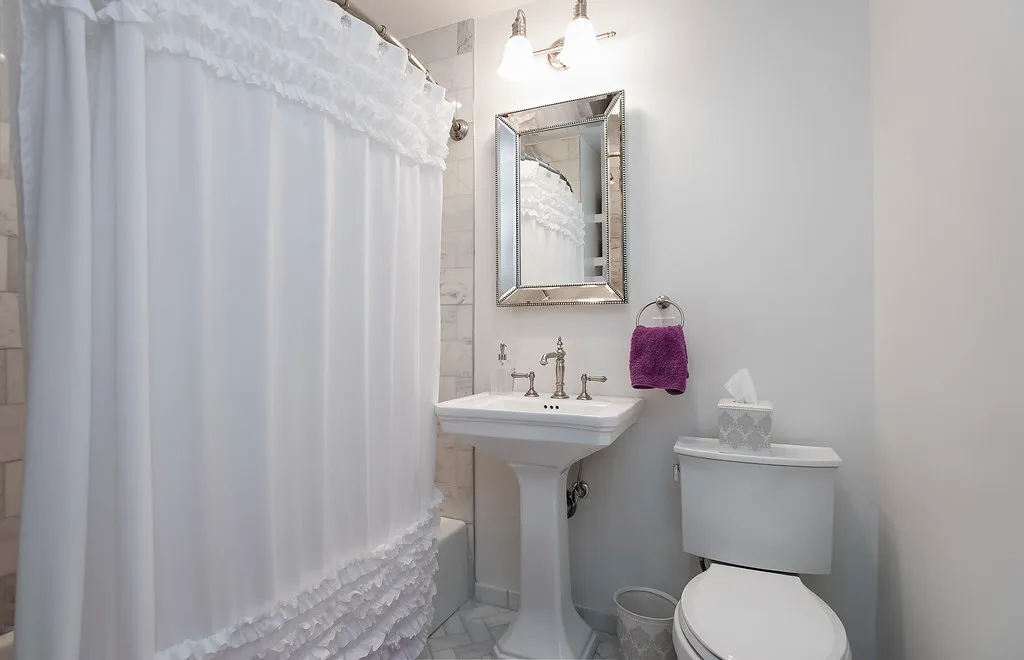
A tile project is one of the few home investments where most of the quality is hidden. Once the tile is set, you can’t see whether the shower was waterproofed correctly, whether the subfloor was prepped, or whether the substrate behind the wall is sound. That’s exactly why who installs your tile matters as much as the tile you choose. A great installer makes a modest tile look like a million dollars; a careless one can ruin a premium material and leak inside your walls. Here’s how to choose well in San Francisco and the North Bay.
Start with the license, and know what C-54 means
In California, tile and stone installation is licensed work, and the right credential tells you a lot. The Contractors State License Board (CSLB) issues a specific classification for this trade:
- C-54: Ceramic and Mosaic Tile is the classification for contractors who install ceramic, porcelain, stone, and mosaic tile and the setting beds and substrates they sit on. It’s the credential you most want to see on a dedicated tile contractor.
- A licensed B (General Building) contractor can also legally perform tile work as part of a larger project, which is common on full remodels.
The single most important step you can take is to verify the license yourself. Anyone can claim to be licensed. Take the license number they give you and check it directly at cslb.ca.gov. The free license-lookup tool shows whether the license is active, what classification it carries, whether the bond is in place, and whether there are any disciplinary actions. It takes two minutes and tells you more than any sales pitch. Verify any California contractor this way, including us.
Insurance: don’t skip this
A license is not the same as insurance. Ask for proof of:
- General liability insurance: covers damage to your property during the work.
- Workers’ compensation: if the contractor has employees, this protects you if someone is injured on your job. Without it, you can be exposed to liability for an on-site injury.
A professional won’t blink at this request and can provide a certificate of insurance. Hesitation is a red flag.
Waterproofing know-how separates pros from amateurs
For any bathroom or shower, this is the question that matters most, because it’s the part you’ll never see and the part most likely to fail. Ask directly: How do you waterproof a shower?
A knowledgeable installer will talk fluently about waterproof membranes or pan systems, sloping to the drain, sealing the niche and corners, and the difference between water-resistant backer board and an actual waterproofing layer. Vague answers, or “the tile and grout keep the water out” (they don’t; grout is not waterproof), tell you to keep looking. The system behind the tile is what keeps water out of your walls.
The same depth of knowledge should show up around subfloor prep for floors: flatness, crack isolation, and movement joints. Most tile failures trace back to what’s underneath, so an installer who leads with prep is one who’s thinking about the long term.
References, portfolio, and reviews
Ask to see work, and ideally talk to past clients:
- A real portfolio of completed projects (not stock photos) shows range and craftsmanship. Look closely at grout lines, corners, and how patterns are centered.
- References you can actually call. Ask those clients whether the project finished on schedule, how the installer handled surprises, and whether they’d hire them again.
- Independent reviews and local reputation. Longevity in the area is meaningful; an established local installer has a reputation to protect across the community.
Questions worth asking before you sign
A short list that quickly reveals who you’re dealing with:
- What’s your CSLB license number? (Then verify it yourself at cslb.ca.gov.)
- Can you provide proof of liability and workers’ comp insurance?
- How will you waterproof the wet areas, specifically?
- How will you prep and assess the substrate?
- Will you provide a written contract with scope, materials, schedule, and payment terms?
- Do you help with material selection, or just installation?
- What’s your timeline, and how do cure times factor in?
- Can I see a portfolio and reach a couple of references?
Watch for these red flags
- A demand for a large deposit up front, or pressure to pay in cash. (California limits the down payment a contractor can require on home-improvement contracts.)
- No written contract, or a vague one with no scope or schedule.
- Reluctance to share a license number or proof of insurance.
- A bid dramatically lower than everyone else’s. On hidden work, cheap usually means corners cut where you can’t see.
- Promises that skip cure times or “we can start tomorrow” with no assessment of your space.
Why a dedicated tile contractor is worth it
Tile and stone are unforgiving materials with a lot of hidden craft: waterproofing, substrate prep, layout, and the dozens of clean cuts and terminations that read as quality. A contractor who lives in this trade, works across San Francisco and the North Bay, and stands behind a verifiable C-54 license is buying you something the tile itself can’t: the confidence that what’s behind the surface is as good as what’s on it. That’s also where custom design ambitions get executed cleanly instead of approximately.
If you’re planning a project and want to talk it through with a licensed local team (and yes, verify our license at cslb.ca.gov), call (415) 482-8453 or reach out through our contact page. We’re happy to answer every question on this list before you commit to anything.